How To Build A Cozy Home Library With Custom DIY Bookshelves
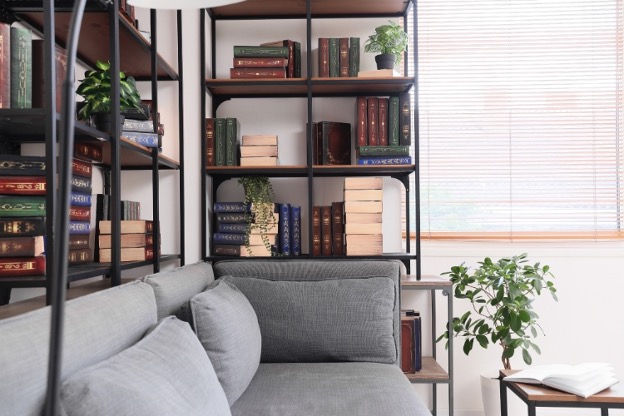
For anyone who loves books, having a dedicated place to read can make home feel a little more personal. A home library doesn’t need to fill an entire room or hold thousands of books. With thoughtful planning, comfortable furniture, and custom DIY bookshelves, almost any unused space can become a welcoming reading retreat.
Building your own bookshelves also gives you more control over how the finished library looks and functions. Instead of trying to make standard furniture fit an awkward wall, you can create shelving around your collection, available space, and preferred interior style.
Choose The Right Space For Your Library
Start by looking around your home for spaces that are comfortable, relatively quiet, and large enough for shelving. A spare bedroom is an obvious choice, but an unused corner of a living room, a wide hallway, a loft, or a home office can work just as well. Even a small alcove can become a dedicated reading area with the right approach.When comparing locations, consider natural light, noise, temperature, and foot traffic. A peaceful corner near a window may be ideal during the day, while a room away from busy household areas could provide a better environment for uninterrupted evening reading.
Measure Before Designing Your Shelves
Careful measurements can save a great deal of frustration once construction begins. Measure the height and width of the available wall, along with the location of outlets, switches, vents, doors, and windows. Check baseboards and other architectural details that could prevent shelving from sitting flush against the wall.It is also worth measuring some of the books you plan to store. Large art books, hardcovers, graphic novels, and reference books may require taller or deeper shelves than standard paperbacks. Designing around your actual collection can prevent wasted space while keeping books easy to access.
Decide Which Materials Suit Your Style
Wood remains a popular choice for DIY bookshelves because it is relatively easy to work with and suits many interiors. Natural timber can add warmth to a traditional library, while painted plywood or engineered wood can create a cleaner, contemporary look. Reclaimed wood can add character when its condition and structural strength suit the project.Metal is another option, particularly if you want an industrial or modern look. A welded steel frame paired with wooden shelves can create a strong structure with an interesting contrast between materials. Metal frames can also work well for tall shelving units that need to support a substantial collection.
Consider Building A Welded Bookshelf
Readers with metalworking experience may want to make a custom welded bookshelf rather than rely entirely on wood. Square steel tubing or similar materials can form the main frame, while timber boards can be added afterward to create the shelves. This approach allows you to customize dimensions for unusual walls, corners, or book collections.Welding requires appropriate training, ventilation, protective clothing, and eye and face protection. DIYers looking for suitable welding helmets and lenses can explore options at ridgeproductswelding.com while planning the safety equipment required for a metalworking project. Always follow the instructions for your equipment and materials, and don’t attempt welding without the necessary skills.
Make Your Bookshelves Part Of The Room
Custom shelving looks especially effective when it feels integrated with the surrounding architecture. Floor-to-ceiling shelves can turn an ordinary wall into a dramatic feature, while shelves built around a doorway or window can make use of space that might otherwise remain empty.You can also repeat colors and materials found elsewhere in the room. For example, wooden shelves might complement a hardwood floor, while a dark metal frame could echo lighting fixtures, door hardware, or furniture legs. These small connections help the library feel intentional rather than assembled from unrelated pieces.
Create A Comfortable Reading Spot
Bookshelves provide storage, but comfort turns a book-filled room into a place you actually want to spend time. Choose a chair that supports your preferred reading position and leave enough room to sit comfortably without blocking access to the shelves. A small sofa, oversized armchair, or window seat can all work depending on the available space.Add a side table within easy reach for a drink, reading glasses, bookmarks, or your current book. A footstool or ottoman can make longer reading sessions more comfortable and provide extra storage if you choose a design with a hidden compartment.
Plan Your Lighting Carefully
Good lighting is essential in a home library, especially if you regularly read at night. Natural daylight helps, but it shouldn’t be your only light source. A combination of general room lighting and focused task lighting gives you more flexibility throughout the day.Place a floor lamp or adjustable reading lamp beside your favorite chair so light falls directly onto the page without creating uncomfortable glare. Small shelf lights can also highlight favorite books, artwork, or collectibles while adding a softer layer of ambient light after dark.
Organize Books In A Way That Works For You
There is no single correct way to arrange a personal library. Some readers prefer alphabetical order, while others organize books by genre, author, subject, or even the order in which they plan to read them. The best system is simply the one that helps you find what you want without unnecessary searching.Leave some open space instead of packing every shelf completely from the start. Your collection will probably continue growing, and extra room makes it easier to add new books without reorganizing the entire library. Open areas can also hold framed photographs, plants, bookends, or objects connected to favorite stories.
Add Details That Make The Space Personal
A cozy library should reflect the person who uses it, not a staged display. Consider including artwork, family photographs, travel souvenirs, handwritten notes, or memorabilia related to books you love. These personal details can give the room a sense of history and make it feel distinctly yours.Textiles can soften the harder surfaces created by rows of shelving. Rugs, cushions, curtains, and throws introduce texture while helping the space feel warmer and more comfortable. They may also help reduce echoes in rooms containing large areas of wood or metal.
Leave Room For Your Library To Grow
Your first version of a home library does not need to be the finished version. Reading habits change, collections expand, and new interests can gradually reshape the space. Modular or custom shelving makes it easier to adapt as your storage requirements evolve.You might eventually add another shelving unit, a larger reading chair, a writing desk, or dedicated storage for magazines and special editions. Planning for future changes during the initial design stage can make expansion easier without a complete renovation.
Create A Space That Encourages More Reading
The best home library isn’t necessarily the biggest or most elaborate. It is a space that makes picking up a book feel easy, comfortable, and inviting. Thoughtful shelving, good lighting, and a relaxing place to sit can turn even a modest corner into a meaningful part of the home.Building custom DIY bookshelves adds another layer of personality because the storage itself becomes part of the project. Whether you choose simple wooden shelves or a more ambitious mixed-material design, the result can be a library shaped around your books, your home, and how you enjoy reading.