Peptides Are All Over Fit Girl TikTok — Here’s What to Know
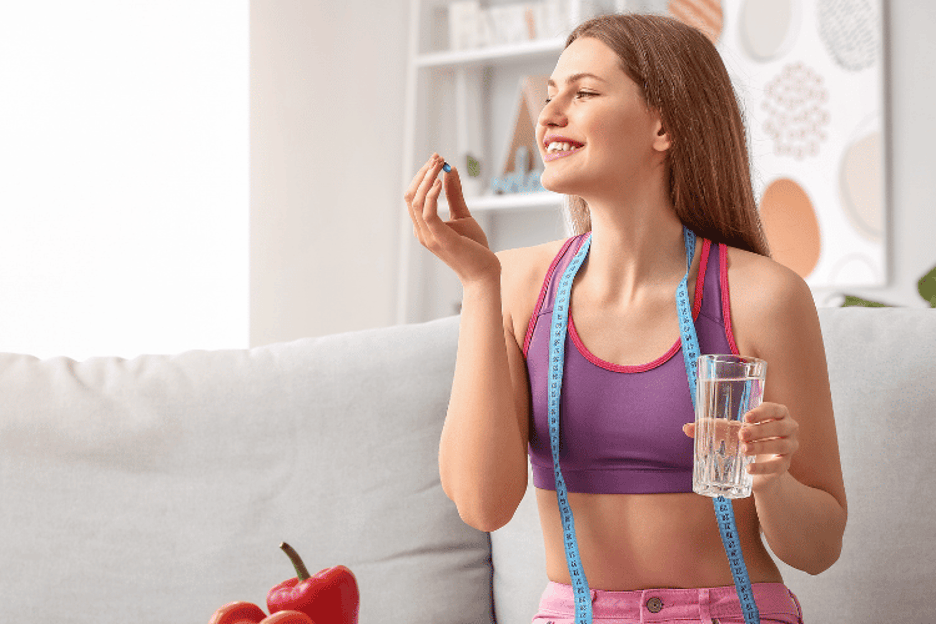
Spend enough time on Fit Girl TikTok, and you’ll eventually hear someone mention peptides. They pop up in gym routines, recovery chats, beauty content, and body composition conversations. The word itself can sound very scientific, while social media often makes the subject look surprisingly simple.
The reality sits somewhere in the middle. Peptides are a broad category, and different types can have very different purposes. That matters when a 30-second video puts several of them under the same trendy label. Before taking advice from your For You page, it helps to understand what peptides actually are, why people are talking about them, and what deserves a little more scrutiny.
So, What Exactly Are Peptides?
Peptides are short chains of amino acids. Amino acids are often described as the building blocks of proteins, which your body uses in countless everyday processes. The important thing to remember is that “peptide” describes a type of molecule, not one specific wellness product.
That distinction can easily disappear on social media. Two products may both be discussed as peptides while having completely different intended uses, methods of administration, and safety considerations. Some peptides occur naturally in the body, while others may be produced for medical, cosmetic, research, or other purposes.
So, when a creator says she “uses peptides,” that statement alone doesn’t tell you very much. The specific substance, why it is being used, and how it is being taken are far more useful pieces of information.
Why Fit Girl TikTok Is Talking About Them
Peptides fit neatly into the current fitness-content aesthetic. Online wellness culture loves routines: morning supplements lined up beside an iced coffee, carefully planned meals, matching gym sets, recovery days, and highly specific beauty rituals.
But familiarity should never be confused with suitability. A product appearing repeatedly in your feed doesn’t automatically mean it makes sense for your body, lifestyle, or goals.
There’s another reason peptides attract attention: they sound specific. Fitness advice such as “sleep more” or “eat consistently” isn’t particularly glamorous. A complicated-sounding compound feels newer and more interesting, which naturally makes for clickable content. Unfortunately, social media rarely leaves enough room for all the context it should include.
Not All Peptide Content Means the Same Thing
This is probably the biggest takeaway from the whole conversation. “Peptides” can refer to very different things depending on context.
You might see the term on skincare packaging, in nutrition discussions, or in posts about substances used for particular health or fitness goals. Treating all of these as interchangeable can create confusion. Before forming an opinion about any peptide-related product, find out exactly what category you’re dealing with.
This is also where careful browsing matters. You may come across amino acids, peptides, and related products all from Premier Aminos while looking into the subject online. Whatever catches your attention, take time to understand the specific substance and its intended purpose rather than treating everything carrying the “peptide” label as interchangeable. And if something could affect your health, consider whether professional guidance is appropriate before taking the next step.
TikTok can introduce you to a topic, but you should investigate it further.
The Red Flags Worth Watching For
Fit Girl TikTok can be genuinely useful for workout inspiration, meal ideas, and discovering topics you might want to learn more about. It can also reduce complicated health topics to before-and-after videos.
Be cautious when peptide content:
- Promises dramatic or guaranteed results
- Treats one person’s experience as proof that something works for everyone
- Skips over possible downsides or safety considerations
- Never clearly identifies the substance being discussed
- Encourages you to copy a routine without considering your individual health
- Focuses heavily on appearance while offering very little practical information
A polished video is still a polished video. Good lighting, visible abs, and confident delivery don’t tell you whether the advice is accurate.
It’s also worth noticing when a creator has a commercial reason to recommend something. Sponsored content isn’t automatically unreliable, but knowing there is a financial relationship gives you useful context when deciding how much weight to give a recommendation.
Ask Better Questions Before Trying a Trend
The easiest way to become a smarter wellness consumer is to get comfortable asking boring questions. They’re rarely as entertaining as a transformation montage, but they can save you from making decisions based on hype.
Start with the basics:
- What is the exact name of the substance?
- What is it supposed to do?
- How is it intended to be used?
- Is the person recommending it qualified to give health advice?
- Are there potential interactions or reasons it may be unsuitable for you?
Note: If something is being used with the aim of changing how the body functions, treating a health issue, or affecting body composition, it’s important to speak with an appropriately qualified healthcare professional before deciding whether it belongs in your routine. This is particularly important if you take medication, have an existing medical condition, are pregnant, or are breastfeeding.
You should also separate curiosity from urgency. TikTok trends move fast, but your decision doesn’t have to. There’s no prize for being the first person in your friend group to try whatever is currently filling the algorithm.
Keep the Basics in the Picture
One downside of wellness trends is that they can make ordinary habits seem too basic to matter. Yet a complicated routine doesn’t automatically make it a better one.
If your goal is general fitness, start with the bigger picture. Are you eating in a way that supports your activity level? Is your training appropriate for your experience and goals? Are you giving yourself enough recovery time? Are you sleeping properly?
Those questions may be less exciting than the latest TikTok terminology, but they give you a much better framework for judging new trends. When the basics are clear, it becomes easier to decide whether an additional product or practice has a sensible role or is simply another thing your feed has convinced you to want.
Final Thoughts
Peptides aren’t one single trend, treatment, or product, even if Fit Girl TikTok sometimes makes them look that way. The term covers a broad category, so context matters every time you encounter it.
Stay curious, but keep your standards high. Identify exactly what people are talking about, question sweeping promises, look for information beyond social media, and get professional advice when a decision could affect your health. Your For You page can be a fun place to find your next gym outfit or workout playlist. Personal health decisions deserve more than a swipe.