Why Hobby Books Are Making Reading Fun Again
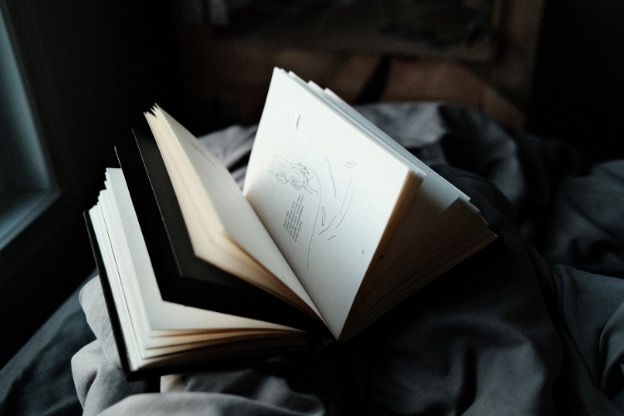
There’s something satisfying about closing a book and immediately wanting to do something because of it. Instead of simply taking you into another world, hobby books can send you into the garden, kitchen, workshop, or nearest craft store with a new project in mind.
They also offer a refreshing change for readers who have fallen out of the habit of reading. You don’t necessarily need to follow hundreds of pages from beginning to end. You can dip into a chapter, learn something useful, and return whenever curiosity strikes again.
From gardening and photography to baking and collecting, hobby books make reading an active part of our interests. Here’s why they can put the fun back into picking up a book.
They Give Reading a Purpose Beyond the Page
Hobby books appeal to a different kind of reader because the information often has an immediate purpose.
A gardening book might help you identify a mysterious plant in your backyard. A photography guide can explain why your nighttime pictures never look quite right. A cookbook might finally give you the confidence to attempt homemade bread.
That practical connection changes the reading experience. You’re not trying to remember everything for later. You can read a section, try the idea yourself, then come back to the book when you encounter the next question.
This can be particularly appealing if you struggle to concentrate on longer books. Instead of feeling guilty about an unfinished novel sitting on your nightstand, choose a book that invites you to jump around. Reading ten useful pages still counts as reading.
Books Can Turn Curiosity Into a Real Hobby
Start with a beginner-friendly title rather than the most comprehensive reference book you can find. Look for clear explanations, useful photographs or illustrations, and projects appropriate for your current ability. Once you understand the basics, you’ll have a better idea of which specialist subjects genuinely interest you.
The same principle works in reverse. If you already enjoy a hobby, books can take you down unexpected side roads. Someone interested in gardening might become fascinated by botanical illustration, seed collecting, garden history, or the origins of particular plant varieties.
That sense of discovery is part of the appeal. One book can quietly introduce you to an interest you never expected to have.
Collecting Gives Curious Readers Plenty to Investigate
Collecting and reading are natural companions. The more specific a collection becomes, the more there is to learn about identifying, categorizing, storing, and understanding individual items.
Books themselves are an obvious example. A casual bookshelf can turn into a collection of first editions, vintage cookbooks, beautifully illustrated nature guides, or works by a particular author. Other people collect stamps, coins, postcards, records, seeds, or objects connected with a favorite period of history.
Specialist books can provide the background that makes a collection interesting, not just large. They may help readers understand terminology, recognize differences between varieties, or learn why certain objects have particular cultural or historical significance.
When an interest involves items subject to legal restrictions, however, research needs to go beyond the hobby book. For example, if you’re researching marijuana seeds, check resources such as www.pacificseedbank.com.
Hobby Books Encourage You to Put the Book Down
A knitting guide isn’t much fun if you never pick up the needles. A book about drawing becomes more useful once there’s a sketchbook beside it. Gardening instructions make more sense when you can compare what you’re reading with what is actually happening in your garden.
This creates a satisfying rhythm: read, try, make mistakes, then read again.
It also takes some pressure away from finishing books. You might keep the same woodworking guide for years and consult it whenever you start a different project. A recipe book could spend most of its life open to six favorite pages before you suddenly decide to try something completely new.
That isn’t a failure to finish the book. It means the book is doing its job.
They Make Great Alternatives to Screen-Based Learning
There’s no shortage of tutorials online. Type almost any hobby-related question into a search bar, and you’ll probably find videos, articles, discussion threads, and conflicting opinions within minutes.
That abundance can sometimes become distracting. A book creates boundaries. The information you need is contained in one place, with no notifications appearing at the top of the page.
Printed books are particularly handy for hobbies that involve working with your hands. You can mark useful pages with tabs, add notes in the margins if it’s your own copy, or keep a notebook alongside it for observations and ideas.
Digital hobby books have advantages too, especially if you want a searchable reference library without filling several shelves. The best format is simply the one you’ll actually use.
Choosing a Hobby Book You’ll Keep Reading
The biggest book isn’t necessarily the best place to start. A huge encyclopedia may contain everything you could want to know, but it can be intimidating when you’re still figuring out whether you even like the subject.
Before choosing your next hobby book, consider:
- What do you want to be able to do after reading it?
- Does it suit your current skill level?
- Are the instructions easy to follow?
- Do photographs or illustrations matter for this particular hobby?
- Will you use it as a reference or read it from beginning to end?
- Does it cover projects you can realistically attempt?
Browse a few pages when possible. Good hobby writing should make you want to try something, not leave you feeling you need expensive equipment and years of experience before you can begin.
Final Thoughts
Hobby books remind us that reading doesn’t always have to be about finishing another title for the bookshelf. Sometimes a book is the beginning, not the end, of an experience.
It might encourage you to plant something, bake something, repair something, start a collection, or finally learn how to use the camera sitting in a drawer. Even better, the inevitable questions that appear along the way give you reasons to return to reading.
If your reading habit has started to feel like another task to complete, forget about how many books you think you should finish. Pick a subject you’re genuinely curious about instead. The right hobby book might get you reading again and give you something enjoyable to do once you put it down.