How To Bring The Atmosphere Of Your Favorite Novel Into Your Home Decor
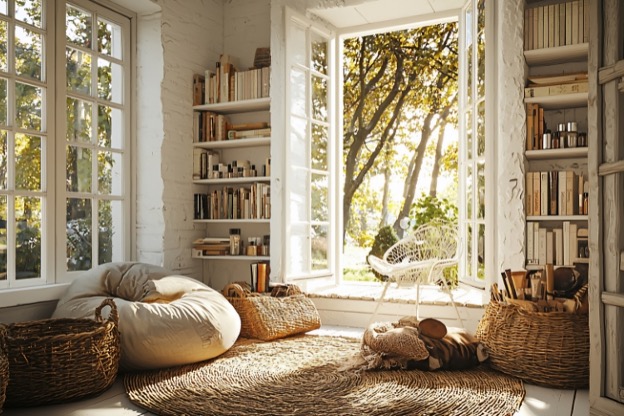
A great novel can transport you somewhere completely different without requiring you to leave your favorite chair. From mysterious Victorian mansions to sunny Mediterranean villas, memorable settings often matter as much as the characters who inhabit them. Long after finishing a book, you may still remember the warmth of a fictional kitchen, the moodiness of an old library, or the elegance of a grand drawing room.
Bringing some of that atmosphere into your home can be a creative way to celebrate the stories you love. Rather than trying to recreate a fictional setting exactly, you can borrow its colors, textures, materials, and overall mood to create a space that still feels personal and practical.
Start With The Feeling Rather Than The Details
Before buying furniture or choosing paint, think about how your favorite novel makes you feel. Perhaps the setting feels romantic and nostalgic, or maybe it is adventurous, peaceful, mysterious, glamorous, or slightly eccentric. Identifying that emotional quality gives you a much stronger foundation for decorating.
For example, a story set in an old English country house might inspire dark woods, traditional furniture, antique-style lighting, and layered textiles. A novel set beside the Mediterranean could lead you toward warm whites, natural stone, terracotta, linen, and sun-faded blues.
Build A Color Palette From The Story
Color is one of the simplest ways to establish atmosphere without redesigning an entire room. Imagine the landscapes, buildings, clothing, and objects described throughout the book, then select three or four shades that capture those images.
A moody Gothic novel might suggest charcoal, burgundy, forest green, and aged brass. A lighthearted coastal story could inspire sandy neutrals, soft blues, weathered wood, and crisp white accents. Keeping the palette relatively limited helps the room feel intentional, not themed.
You also do not need to paint every wall. Curtains, cushions, rugs, artwork, throws, and decorative objects can introduce your chosen colors gradually, making it easier to change the look later.
Let Materials Help Tell The Story
Materials have their own personalities, making them especially useful when creating a literary-inspired interior. Wood can feel rustic or traditional, polished stone can suggest grandeur, and metals can introduce anything from industrial character to old-world warmth.
Copper, brass, and other metals are particularly effective when you want architectural features to contribute to the atmosphere. Companies such as CopperSmith offer customizable metalwork, including range hoods, sinks, furniture, bathtubs, and fire features, allowing these functional elements to become part of the overall design story.
The key is choosing materials that support the mood, not just what’s fashionable. Natural variation, texture, and patina can be especially effective in rooms inspired by historical novels or stories where the setting feels lived-in and layered.
Create Your Own Reading Corner
No literary-inspired home would be complete without somewhere comfortable to read. Fortunately, you do not need an enormous home library or a dedicated room to create one.
Choose an underused corner near a window, bookshelf, or quiet section of the living room. Add a comfortable chair, a small side table, a good reading lamp, and a place to set your current stack of books.
Personal details can make the corner more atmospheric. A framed illustration, vintage-style lamp, decorative box, or object connected to the setting of a favorite novel can add character without making the space look like a movie set.
Use Lighting To Establish The Mood
Lighting can completely change how a room feels, which makes it one of the most important elements when translating fictional atmosphere into real life. Bright overhead lighting may work for everyday tasks, but softer layers of light often create a more immersive environment.
Table lamps, floor lamps, wall sconces, candles, and dimmable fixtures allow you to adjust the mood throughout the day. Warm lighting can create the feeling of a cozy historical study, while brighter natural light may suit interiors inspired by contemporary novels, seaside stories, or countryside escapes.
Think about where the fictional characters might naturally gather. A warmly lit dining table can suggest long conversations over dinner, while a lamp beside an armchair immediately creates the impression of a quiet evening spent reading.
Make Books Part Of The Decor
Books themselves are among the easiest decorative elements to use. Instead of hiding your collection behind closed doors, display favorite novels on open shelves, built-in bookcases, side tables, or carefully arranged stacks.
You can also combine books with objects that subtly reflect their settings. Travel photography might sit beside a novel set in Paris, while botanical prints could accompany books centered around gardens or rural landscapes.
Avoid making every surface overly styled. A home inspired by literature should still feel comfortable and inhabited, particularly if you want to capture the sense of history found in many memorable fictional homes.
Mix Old And New Pieces
Many fictional interiors feel compelling because they appear to have developed gradually rather than being decorated all at once. You can achieve the same effect by combining contemporary furniture with vintage, antique, inherited, or handcrafted pieces.
A modern sofa can sit comfortably beside an antique side table, while contemporary shelving can display old books and collected objects. Contrasting periods often creates more personality than purchasing everything from one furniture collection.
Secondhand stores, flea markets, antique shops, and estate sales can be excellent places to find pieces with character. Look for interesting shapes, materials, and textures rather than worrying about perfect matches.
Bring The Setting Into Unexpected Rooms
Literary inspiration does not need to stay in the living room or library. Consider how the atmosphere could continue through kitchens, bathrooms, bedrooms, dining spaces, and even outdoor areas.
A farmhouse kitchen might reflect the comforting setting of a family saga, while an elegant bathroom could borrow ideas from a glamorous historical novel. Architectural materials and statement features can reinforce these ideas; for example, customizable metal finishes can help functional kitchen elements coordinate with rustic, traditional, contemporary, or vintage surroundings.
Even small spaces can participate in the theme. A hallway gallery, bedside reading area, or collection of framed book covers can create subtle connections between rooms without requiring major renovations.
Add Details That Reward A Closer Look
Some of the best references to favorite books are the ones visitors might not notice right away. Small details can make the design feel personal without turning your home into an obvious tribute.
You might display a map of the region where the story takes place, choose artwork featuring an important flower, or incorporate an object tied to a character’s profession. Even a carefully selected vase, clock, mirror, or desk accessory can provide a quiet connection to a beloved story.
These details work especially well because they mean more than decoration. They spark conversation while letting you surround yourself with reminders of books that matter to you.
Allow Your Home To Develop Like A Story
The most memorable fictional homes rarely feel perfect. They feel layered, individual, and shaped by the people who live inside them, and your own home can benefit from the same approach.
Instead of trying to complete the entire look in one weekend, let the space develop gradually. Add objects when you discover something meaningful, rearrange shelves as your book collection grows, and change textiles or artwork when another story inspires you.
Ultimately, bringing the atmosphere of a favorite novel into your home is less about copying a fictional room and more about capturing its emotional character. By combining thoughtful colors, natural materials, comfortable reading spaces, atmospheric lighting, and personal details, you can create a home that feels as inviting and memorable as the stories you return to again and again.
