Creative Ways to Style Shelves Using Decorative Pieces
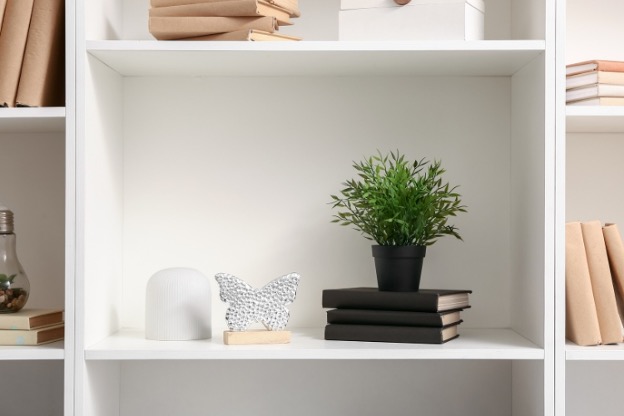
Open shelves have become one of the most versatile design features in modern homes. Whether they’re built into a living room, displayed in a kitchen, or added to a home office, shelves provide an opportunity to combine storage with personal style.
Instead of simply holding books or everyday essentials, thoughtfully arranged shelves can introduce texture, color, and personality into a space without requiring a complete room makeover.
The key to successful shelf styling isn’t filling every available inch. A balanced display allows decorative objects to complement one another while giving each item enough room to stand out. By mixing practical pieces with decorative accents, homeowners can create displays that feel curated rather than cluttered. Here are several creative ways to transform ordinary shelves into eye-catching focal points.
Start With Layers and Height
Professional-looking shelves rarely feature items lined up in a straight row. Instead, they use layers and varying heights to create visual interest.
Try combining taller objects with medium-sized accessories and smaller decorative accents. For example, a framed print placed behind a ceramic vase instantly adds depth, while stacked books can act as pedestals for candles or small sculptures.
A simple arrangement might include:
- A tall vase or decorative branch
- A stack of hardcover books
- A small framed photograph
- A candle holder
- A trailing houseplant
The contrast between heights naturally draws the eye across the shelf rather than leaving it fixed on one object.
Mix Different Materials
Texture plays an important role in shelf styling. Using too many items made from the same material can make a display appear flat, even if the colors vary.
Instead, combine materials such as:
- Glass
- Wood
- Metal
- Ceramic
- Stone
- Woven baskets
This mixture creates subtle contrast without overwhelming the overall design.
For example, a wooden bowl paired with a clear glass vase and a ceramic planter creates a layered look that feels collected over time rather than purchased all at once.
Keeping the overall color palette relatively simple allows the variety of textures to become the focal point.
Use Decorative Lighting as a Design Feature
Lighting accessories often serve a practical purpose while doubling as decorative pieces. Candles, lanterns, and elegant candle holders can introduce warmth and create visual balance throughout a shelving arrangement.
When incorporating candle displays, scale matters. Mixing taller holders with shorter accents creates a more dynamic composition than placing several identical pieces side by side.
Rather than treating candles as seasonal decorations, consider leaving them as permanent design elements that can easily be refreshed with different colors or styles throughout the year.
If you’re searching for decorative candle displays that complement a variety of interior styles, collections such as those available from Jamali Garden offer inspiration for styling shelves in living rooms, dining spaces, or entryways.
Exploring options at www.jamaligarden.com can help homeowners find decorative vases and other statement pieces that suit both contemporary and traditional interiors without dominating the overall display.
Incorporate Natural Elements
Natural materials help soften shelves filled with hard surfaces like books, ceramics, and picture frames. Even a small amount of greenery can make an arrangement feel more inviting.
Some popular options include:
Fresh or Silk Greenery
Branches, eucalyptus stems, and floral arrangements introduce movement while breaking up straight lines.
Houseplants
Compact plants such as pothos, succulents, or trailing ivy work particularly well on open shelving because they add texture without taking up excessive space.
Organic Decorative Objects
Stone bowls, driftwood, woven baskets, or dried grasses create subtle variation while reinforcing a relaxed atmosphere.
Mixing natural elements with decorative accessories prevents shelves from feeling overly formal.
Leave Space for the Eye to Rest
One of the most common shelf-styling mistakes is trying to display too much at once.
Negative space is just as important as decorative objects themselves. Leaving empty areas between groups of accessories allows each piece to stand out and gives the overall arrangement a calmer appearance.
Instead of spreading decorations evenly across every shelf, consider creating small groupings. For example:
- Three books topped with a candle holder
- A single vase beside framed artwork
- A decorative bowl placed next to a small plant
Grouping items in odd numbers often creates a more natural visual rhythm than perfectly symmetrical layouts.
If shelves begin to feel crowded, removing one or two objects usually improves the arrangement more than adding another decorative item.
Refresh Displays Throughout the Year
Shelf styling doesn’t need to remain static. Rotating accessories throughout the year keeps spaces feeling fresh without requiring expensive redecorating projects.
Simple seasonal updates might include:
- Spring flowers and pastel ceramics
- Summer greenery and woven textures
- Autumn branches and warm-toned candles
- Winter greenery and metallic accents
These subtle changes help reflect the changing seasons while allowing favorite decorative pieces to remain part of the display.
Rotating accessories also provides an opportunity to highlight items that may otherwise remain stored away.
Instead of purchasing entirely new décor each season, homeowners can simply rearrange existing pieces to create a different look.
Add Personal Pieces for Character
Beautiful shelves should reflect the people who live in the home. While decorative accessories create visual appeal, personal items make a display feel authentic.
Consider including:
- Travel souvenirs
- Family photographs
- Handmade pottery
- Vintage finds
- Favorite books
- Framed artwork created by family members
These pieces tell a story while adding warmth to carefully styled arrangements. Balancing decorative objects with meaningful keepsakes prevents shelves from looking overly staged and helps create spaces that feel lived in rather than showroom-perfect.
Conclusion
Thoughtfully styled shelves combine practicality with creativity. By layering objects, mixing textures, incorporating natural elements, and leaving room for visual balance, it’s possible to create displays that complement almost any decorating style.
Small adjustments often have a significant impact, making shelves one of the easiest places to refresh a room without undertaking a major redesign.
Rather than aiming for perfection, focus on creating arrangements that reflect your personality and evolve over time. As decorative pieces are collected, rearranged, and updated with the seasons, shelves become more than storage, they become an extension of the home itself.