
In today’s dynamic agricultural landscape, technological advancements and sustainable practices have become central to the success of commercial farming operations. From managing rich soil profiles to leveraging precision farming tools, modern farmers are increasingly relying on a complex mix of resources to ensure abundant yields and long-term sustainability. Below, we’ll explore crucial components of contemporary commercial farming, examining how they can be optimized for the betterment of crop production. Keep reading to delve into the intricacies and opportunities that lie within these agricultural advancements.
Leveraging Agricultural Technology for Precision Farming and Data Analysis
As technology continues to advance, leveraging agricultural technology for precision farming and data analysis has become instrumental in modern agriculture. Precision farming harnesses the power of data to make informed decisions about planting, fertilization, and harvesting. By analyzing soil type, weather patterns, and crop performance, farmers can apply inputs at the right place and right time, increasing efficiency and crop yields.
Drones and satellite imagery are now widely used for crop monitoring, providing a detailed overview of field conditions and enabling early detection of issues such as nutrient deficiencies or pest infestations. These findings allow for swift intervention, reducing potential crop losses. Furthermore, farm management software helps to integrate these various data streams into a cohesive and actionable plan.
Another critical application of agricultural technology is the collection and analysis of big data. Agricultural operations generate huge amounts of data daily, which can be used to uncover patterns, predict outcomes, and facilitate continuous improvement. When optimized, this flow of information can revolutionize decision-making processes at every farming level.
While you’ll need agricultural technology, you’ll also need a traditional vehicle. Go online to find a 2023 Chevy 2500 for sale or browse through their inventory of other Chevrolet models such as the Silverado or Equinox. Vehicles typically will require gasoline, as well, so it’s essential to budget for transportation fuel.
To meet the demands of modern agriculture, whether it’s towing heavy equipment or traversing rugged farm terrain reliably, you may want to find an Alberta Diesel fuel supplier in the area. They should carry gasoline and diesel fuel products to ensure that your machines run efficiently.
Evaluating Various Soil Management Platforms for Enhanced Crop Yields
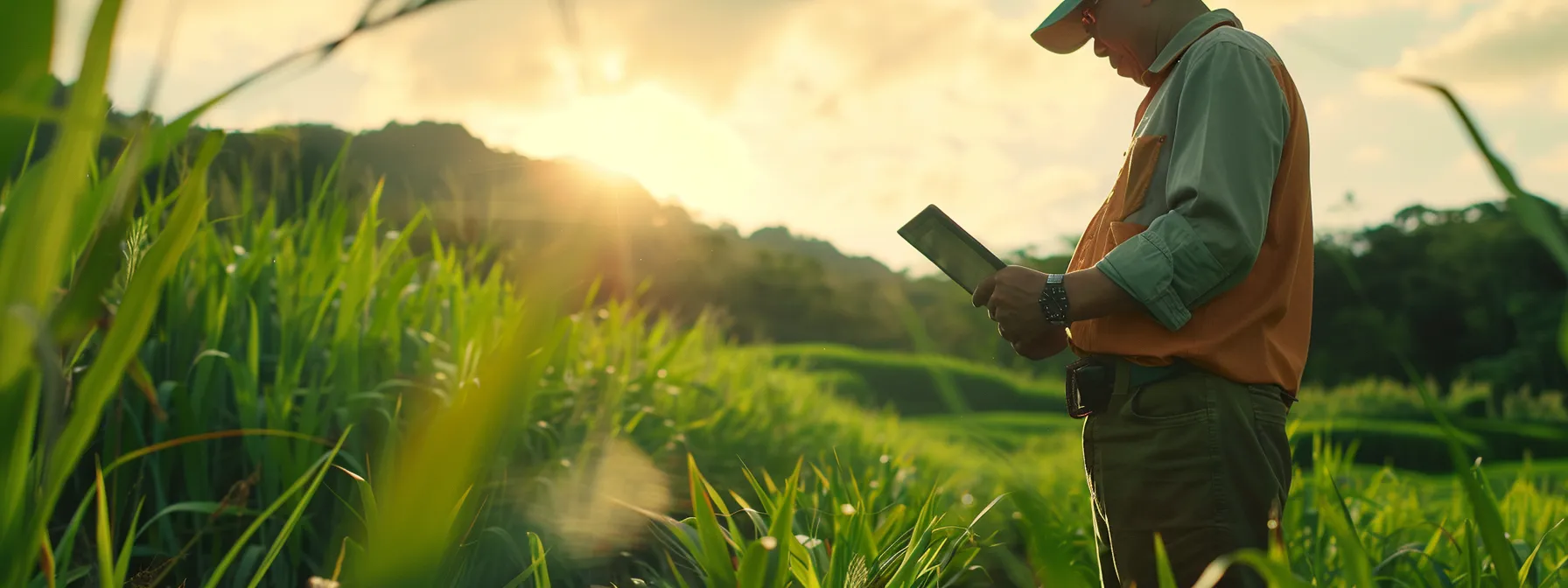
Soil health is the bedrock of any successful farming operation, and evaluating various soil management platforms is key to optimizing yields. Innovative technologies now allow farmers to analyze soil composition, hydration levels, and nutrient profiles with unprecedented accuracy. This data is crucial in determining the right fertilization strategies and crop rotations that maintain the soil’s vitality and productivity.
Furthermore, integrating organic matter into the soil can significantly improve its structure and enhance microbial activity. Farmers who adopt soil management platforms that provide insights into organic matter content are better positioned to make decisions that lead to increased yields. The adoption of these platforms aids in minimizing input waste, enhancing cost-effectiveness, and promoting environmental sustainability.
Machine learning and artificial intelligence embedded within these platforms offer predictive analytics, enhancing decision-making processes for issues like irrigation and pest control. By aggregating historical data, these tools can forecast future soil conditions and crop needs, establishing a proactive rather than reactive approach to soil management.
Innovative Irrigation Solutions to Combat Water Scarcity in Agriculture
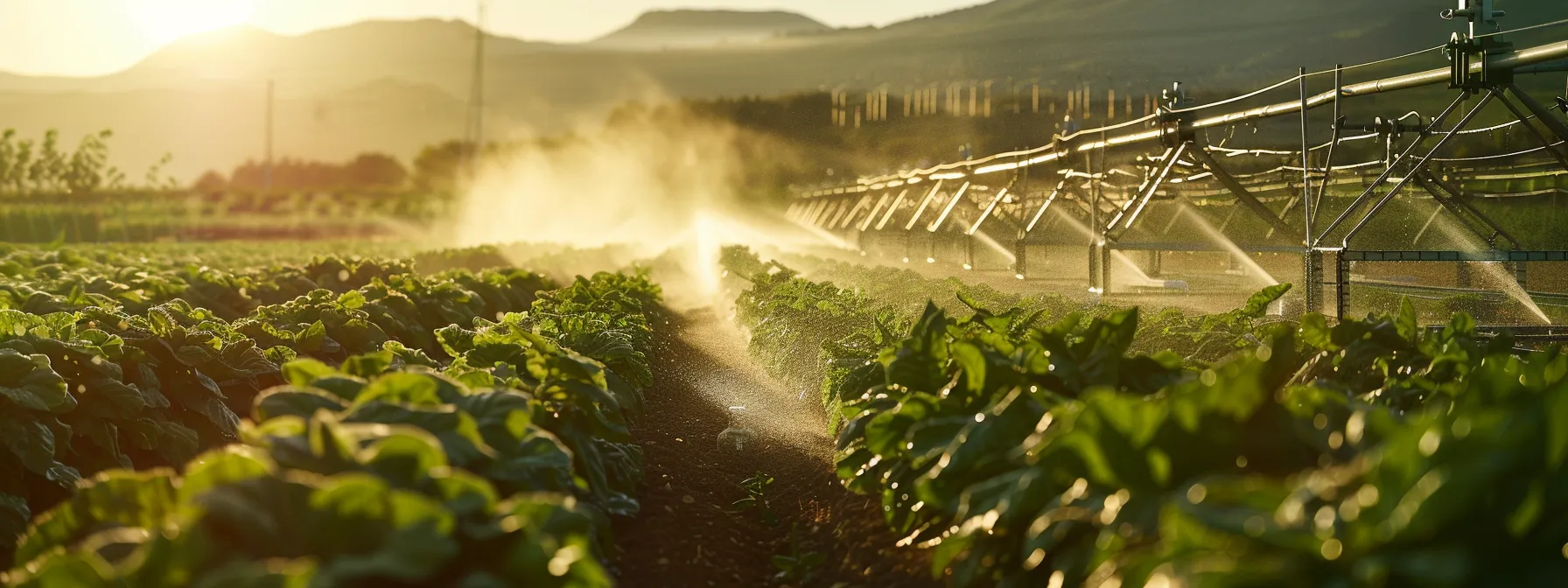
With water scarcity posing a significant challenge to agriculture worldwide, innovative irrigation solutions have emerged as a lifesaver for many farming operations. Technologies such as drip irrigation systems target the root zones of plants directly, maximizing water efficiency and minimizing wastage due to runoff or evaporation. These systems can be automated to deliver precise amounts of water at optimal times, thereby conserving this precious resource and reducing labor costs.
Advancements in sensor technology have further enhanced irrigation effectiveness. Soil moisture sensors, when combined with climate data, can provide a detailed picture of the water needs of a crop. This can lead to tailored watering schedules that ensure crops receive the exact amount of water they need, when they need it, reducing overall consumption dramatically.
Overall, by integrating cutting-edge agricultural technologies and sustainable practices, commercial farming operations can counter many contemporary challenges. From advanced soil management to precision irrigation, these resources offer pathways to efficiency and environmental stewardship.
Article
 The Lit Bitch