
It has become common to see literary works adapted into video games, arguably more so in recent years as the gaming industry’s ecosystem has expanded. Developers need content, intellectual property and stories to base their games on. It’s a hook, if you will, providing both a platform for the video game to be built on, as well as something eye-catching to attract crossover fans.
Of course, not every book is suitable for an adaption into a video game. You are not likely to see Marcel Proust’s seven-volume masterwork À La Recherche du Temps Perdu (In Search of Lost Time) adapted into a video game anytime soon. Often it is genres like high-fantasy, spy thrillers and crime novels that get adapted.
Many books can be adapted into games
Some games will be overtly based on the source material, whereas others will be “inspired” by a book rather than repeat or continue a storyline. We can point to games that offer a cheeky nod to a book, such as the Great Pigsby, which is available to play at Pulsz slots online, which is clearly a reference to F Scott Fitzgerald’s classic of the Gilded Age.
It is apparent, though, that not all video games based on books become successful. In fact, there have been some real turkeys. Titles like Lord of the Rings: Gollum and the Golden Compass (from Phillip Pullman’s Northern Lights) became memes for their awfulness. The Da Vinci Code game felt like it could have worked, but the release was hugely messy.
So, where do they get it right? Who satisfies book fans and gamers alike? Perhaps the best place to start is with The Witcher. The book series and accompanying short stories from Andrzej Sapkowski started in the early 1990s, but the game release from CD Projekt Red came about in 2007. It was an instant hit, selling over 10 million copies, and it was followed by the Witcher 2: Assassins of Kings (2011) and Witcher 3: Wild Hunt (2017), both of which exceeded the first release and are widely cited among the games of the decade.
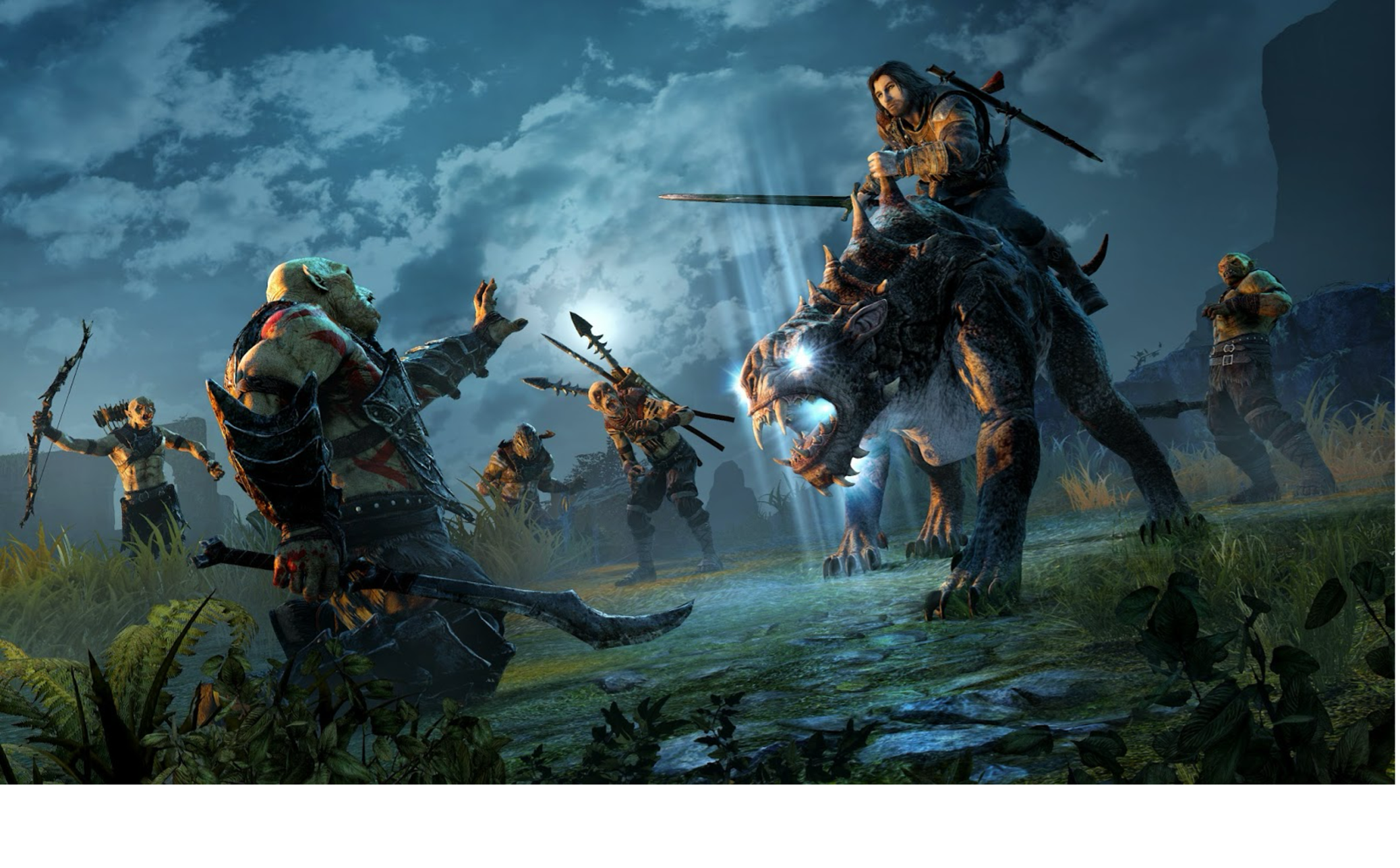
The Lord of the Rings is clearly a desirable IP for game publishers, and while the aforementioned game focused on Gollum was a bomb, there are several than standout. The biggest hit, Middle Earth: Shadow of Mordor, is a kind of mish-mash between the LOTR books and Peter Jackson’s films. It takes liberties with its own new stories set in Middle-Earth, but it is immensely popular.
Jules Verne received a glowing tribute
Classic novels can become hits as video games, and one of the most interesting is 80 Days, which is based on the Jules Verne novel, Eighty Days Around the World. The game, which is a fine example of how iPhone and iPad games can shine as a medium, is considered interactive fiction, i.e., an adventure based on players’ choices rather than an all-action release. The entire game serves as a tribute to Verne, with hidden levels and Easter eggs that relate to stories like 20,000 Leagues Under the Sea.
Sometimes, the video games become more famous than the novels that they are based on. A good example of this is Rainbow Six by Tom Clancy. The video game, titled Tom Clancy’s Rainbow Six, is wildly popular, though Clancy had minimal involvement in the production, despite his name being in the title. Clancy is, of course, a prolific and successful author, but we’d say that in this case, the game is more popular than the novel.
We will finish with a game that was a massive hit globally (though, not really in the US) and which deserves a mention, Discworld. The world of Terry Pratchett feels so suited to video game adaptions. Not just for the plots and endless creativity, but for the humor, design and characters. Discworld was released over 30 years ago, but it still stands up in many ways. One of the first great book-to-video-game adaptions, and surely not the last.
 The Lit Bitch