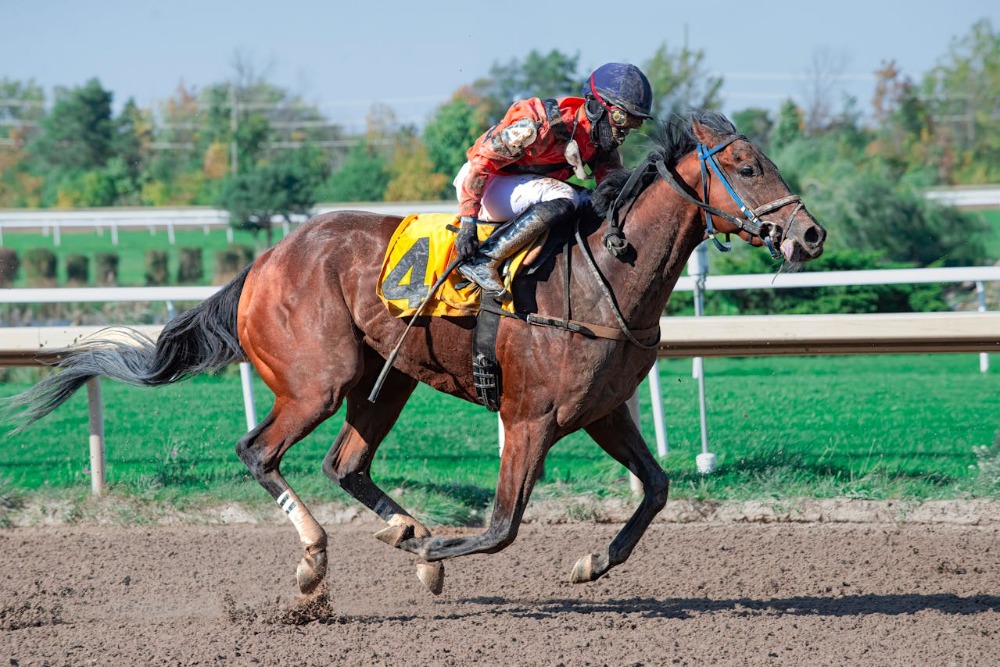
There are few sports that are better tailored toward telling stories than horse racing. Sometimes narratives on track are able to write themselves, and the eventual outcome is something that even Hollywood movie producers would struggle to believe.
The popularity of racing is set to reach new heights over the course of this year, as the sport gets the Drive to Survive treatment on Netflix with the release of Race For The Crown.
However, for some, reading about some of the most famous stories in the sport is still the preferred option to get a rounded experience of the story. But, what are some of the must-read books for passionate fans of horse racing?
A Day At The Races: The Horses, People and Races That Shaped The Sport of Kings
One of the most interesting books for lovers of all codes of horse racing comes in the form of Peter May’s 2022 release ‘A Day At The Races: The Horses, People and Races That Shaped The Sport of Kings’.
The book takes fans back through generations, relieving racing moments from King Henry VIII to Queen Elizabeth II. He details the formation of the Classics, as well as some of the stories that shaped the history of the sport.
Among those include the Derby Day fraud, the huge Cambridgeshire gamble, and the legendary performances on track of stars such as Man o’War and Emily Dickinson.
May leaves no stone unturned in this detailed book that focuses around some of the most iconic moments in the history of the great sport.
Continue reading “Great Horse Racing Literature For Horse Racing Fans”

 The Lit Bitch