A Brief History of the Super Bowl Halftime Show: From Marching Bands to Bad Bunny

It might seem strange to talk about it today, but there was a time when playing the Super Bowl was no big deal. In the 1960s through to the 1980s, the Halftime Show was effectively the domain of university marching bands, with the odd entertainer, such as George Burns and Chubby Checker, making an appearance. It was always fine, part of the Americana on offer, but the ‘real’ Halftime Show only became a thing in the 1990s.
Technically, the New Kids on the Block performance in 1991 (Super Bowl XXV) was the first time the gig went to a pop act, or at least one that was currently trending. And it was, unfortunately, one of the worst. Even if you have a bit of nostalgia for NKOTB, the Disneyfied performance that featured sing-alongs with kids was a bit weird. It often ranks near the bottom of Super Bowl performance lists.
Super Bowl Halftime Show had a turning point in the early 1990s
The Super Bowl has changed dramatically since the 1990s. Modern events take in a global audience; the cost of a 30-second advert alone would probably pay an entire wage bill for an NFL team in 1990, over a billion dollars are bet on the Super Bowl, and few could have conceived the world of social media and smartphones that would define modern showings. Yet, we can say that the Halftime Show entered its modern phase for the first-time in 1993. It needed a star, and it got the biggest one – Michael Jackson.
Jackson’s Super Bowl performance is not universally praised, but he was the first performer to realize that it was the biggest live performance on earth. His set was typical Jackson, pulling out all the stops to entertain. You would think that the NFL would have learned from the success of the show, but it reverted to gimmicks for some shows in the late 1990s, including a performance by the Blues Brothers in 1997. The 1990s did have some high points, though, including Diana Ross at Super Bowl XXX.
Big acts came in the 2000s
By 2000, the attraction was clear, though, even if the formula itself was not perfected. Get a load of this lineup for Super Bowl XXXIV – Phil Collins, Christina Aguilera, Toni Braxton, and Enrique Iglesias. That’s quite the supergroup. The show didn’t really gel, but it was an affirmation that the biggest stars in the world could – and would – appear. A year later, Aerosmith and NYSNC appeared together. It should not have worked, but it was somehow brilliant.
In 2002, we got the first great Halftime Show. U2 delivered a spine-chilling set, famously in tribute to the victims of the 9/11 Terror Attacks. It was big, bold and respectful, yet its legacy – beyond that touching tribute – will be that it really opened up the concept of the show being a badge of honor, especially if you got it right. From that point on, every performer had to be a megastar.
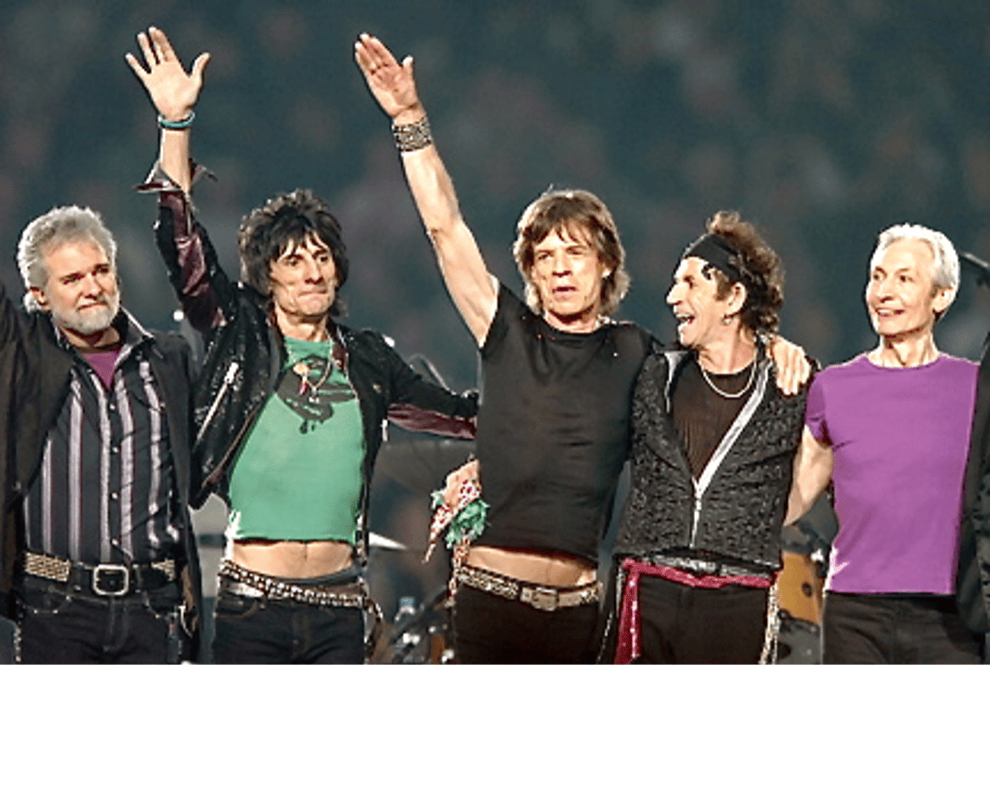
Most of the 2000s were characterized by having rock legends – Paul McCartney, the Rolling Stones, Bruce Springsteen, Tom Petty, etc. – but the most memorable performance from that era came from Prince, who is often credited with giving the best Super Bowl Halftime Show in history. It’s well worth looking up on YouTube.
Contemporary pop music led the way in the 2010s
The 2010s saw a key shift, moving away from veteran rockers toward more contemporary acts, though it included a brilliant show from Madonna in 2012. There were some missteps, including the Black Eyed Peas awful performance(often ranked among the worst) in 2011. Beyonce, Katy Perry, Lady Gaga, Bruno Mars and Maroon 5 all appeared in the 2010s, underlining the trend of picking acts with contemporary appeal.
And the 2020s mostly moved toward R&B and Hip Hop, with the likes of Usher, Rihanna, Kendrick Lamar, Dr Dre and Snoop Dogg all performing in the first half of this decade. Bad Bunny takes the reins at Super Bowl LX on February 8 at Levi’s Stadium. The rapper is on top of the world right now, and he will be acutely aware that this is his chance to put his name among the legendary performers. Will he be a Prince of the Halftime Show? Or will he disappoint like the Black Eyed Peas? It will soon be time to find out.