Success Bookshelf: What and Why the Ultra-Rich Read
Discover the books billionaires like Buffett, Gates, and Musk recommend again and again, the thought process behind their choices, and why reading them is never enough on its own.
Inside the Billionaire Bookshelf
If you ask a self-made billionaire how he thinks, chances are you will get an answer pointing to a shelf full of books. Billionaires like Warren Buffett, Bill Gates, and Elon Musk often mention their favorite titles. They turn to them for help with investments and business choices, revisiting them again and again.
These non-fiction works won’t make anyone rich, but they can teach a way of thinking. This mindset is patient, curious, and practical. It helps you understand how things truly work. What matters in people’s recommendations is not the book list, but their mindset.
Why Billionaires Read Differently
Many people read, but few read like the best investors and entrepreneurs. This is never a question of time or quantity but of purpose. Warren Buffett attributes his success over decades to a habit of regular reading that compounds his knowledge. He views titles not as an opportunity to gather facts but as a chance to form judgments. Bill Gates reads to fill gaps in his understanding of the world. Then, he writes down everything he learns to ensure he understands it well.
What sets them apart from average readers is their ability to use information. They create mental models, which are reusable tools for solving problems. They like reading books that answer questions about human behavior. These lessons stay relevant, even after trends fade away. They also read with the future in mind, preferring timeless ideas over timely advice on what to do this quarter.
The Books Billionaires Recommend Again and Again
A handful of titles crop up repeatedly in interviews, blogs, and shareholders’ letters. Three such titles are listed in the table below, along with reasons each remains relevant:
| Book | Author | Recommended by | Core idea |
| The Intelligent Investor | Benjamin Graham | Warren Buffett | Invest with discipline, not emotion |
| Business Adventures | John Brooks | Bill Gates | Business turns on the human factor |
| Zero to One | Peter Thiel | Elon Musk | Build something new, don’t copy |
For most people, non-fiction literature remains relevant when it comes to self-development and leisure time. Some works even inspire casino games. For pure entertainment, players can apply the FS Casino bonus code suggested by Slotozilla in book-themed slot machines. Such distinctive rewards can make the game more interesting for avid readers.
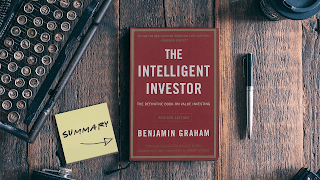
The Intelligent Investor – Benjamin Graham
According to Buffett, no other work on investments can match Graham’s book. Gates noted that Buffett’s time spent reading is unparalleled. No other investing title offers the same value to investors. Its main message is about emotional control. It suggests treating the market like an unpredictable person. Its moods are opportunities, not signals for investing.

Business Adventures – John Brooks
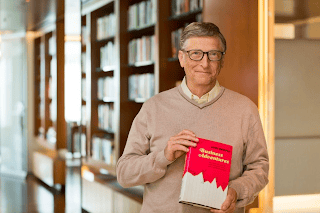
When Gates first met Buffett in 1991, he asked about his favorite business title. Buffett suggested a collection of New Yorker articles and even loaned him a copy. According to Gates, it is still the best book on business that he has ever read. The principle that he learned from it is that businesses succeed or fail on account of people and judgment rather than product, citing examples of Ford and its Edsel and Xerox.
Zero to One – Peter Thiel
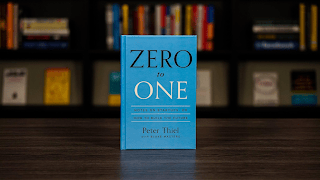
Endorsed by Musk, Zero to One distills the philosophy behind Thiel’s run of innovative companies into a single provocative idea. It argues that true progress comes from creating something new, moving from zero to one. Simply copying and scaling existing successes isn’t enough. For a startup founder who needs to make a decision about building his company, this idea still resonates.

What These Books Have in Common
These recommendations align. None is a get-rich manual; each teaches a way of thinking that reaches far beyond its subject. The same threads run through almost every billionaire’s reading list:
- Decision-making: Choosing under uncertainty.
- Human psychology: Understanding what motivates people.
- Leadership: Developing judgment, culture, and learning through failure.
- Investing: Putting value where there is substance.
- Thinking for the long term: Prioritizing durability over fast gains.
- Systems design: Creating solutions that keep working even when you’re not around.
- Persuasion: Building communication and relationships.
Notice what is absent: shortcuts. These readers gravitate toward works that sharpen judgment, because judgment is the part of success that cannot be outsourced or bought.
Can Reading the Same Books Make Someone Successful?
Reading exactly what Buffett and Musk read won’t give you their success. There are thousands of copies of those titles on the shelves of people who have accomplished nothing similar. The select few stand apart from the rest. They don’t just read books; they apply what they learn:
- They take notes and argue with the author instead of reading passively.
- They test one idea in a real decision before moving to the next title.
- They reread the few books that matter rather than chase new ones.
- They connect lessons across titles into their own mental models.
What is revealed is an even deeper pattern – that of lifelong learning. The billionaire’s shelf isn’t about mystical titles. Instead, it shows how a curious mind updates its worldview every year.