Why Reading All Night Can Leave You Tired — Even If You Love Books
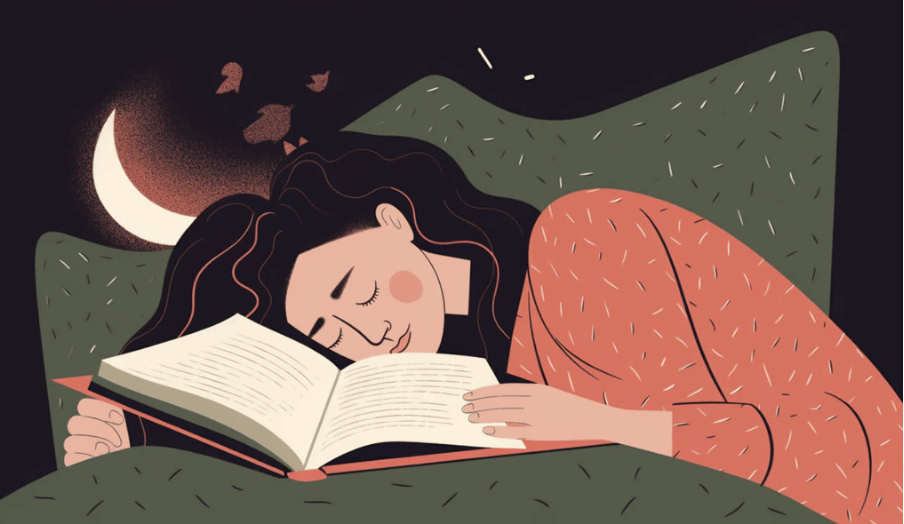
You stayed up late to finish one more chapter, then one more after that. The story was too good to put down, but the next morning your eyes feel heavy and your mind feels slow. Many readers know this feeling well. Reading all night may feel peaceful in the moment, but it can quietly steal the deep rest your body needs.
Think of sleep as filling a notebook with fresh blank pages for the next day. If you keep turning the pages too late into the night, your brain does not get enough time to reset. Even if you eventually sleep for several hours, the quality of that sleep may not be enough. That is why you can wake up tired after a night of late reading, even when you technically spent enough time in bed.
But this does not mean books are bad for sleep. In fact, reading a calm book before bed can help your mind slow down, especially when it replaces scrolling on a phone or watching videos. A printed book or an e-reader without bright distractions can create a relaxing bedtime routine. The key is balance: read to unwind, not to race through the whole story before sunrise.
A good bedtime book should feel like a soft landing, not a challenge to stay awake all night. Choose something gentle, set a stopping point, and let the story guide you toward sleep instead of pulling you away from it.
The Difference Between Sleep Quantity and Quality
Sleep quality vs sleep quantity is the most important distinction you will learn about rest. Eight hours of broken, shallow sleep is not the same as eight hours of deep, continuous sleep. Your brain needs to cycle through different stages to feel restored in the morning. Light sleep helps, but deep sleep and REM sleep do the real recovery work.
Here is what happens during each stage of the sleep cycle:
| Sleep Stage | What Your Brain Does | Why It Matters |
| Light sleep | Transitions between states | Prepares for deeper rest |
| Deep sleep | Clears waste and repairs cells | Physical restoration |
| REM sleep | Processes emotions and memories | Mental restoration |
Fatigue despite adequate sleep occurs when you spend too little time in deep or REM sleep. You might get eight hours, but only one hour of deep sleep instead of two. Waking up in the wrong cycle stage also leaves you feeling groggy and confused.
How Sleep Cycles Actually Work
Your brain moves through sleep cycles every ninety minutes during the night. Why you never feel rested often happens because you wake up during deep sleep instead of at the end of a cycle. That interruption creates sleep inertia, the heavy and tired feeling that can last for hours afterward. Modern tracking apps and platforms like Elite Spin also use behavioral patterns and timing data to understand activity and engagement. Sleep tracking works similarly by monitoring when your body is in lighter or deeper stages of rest. Waking up at the right point in the cycle can make you feel far more refreshed in the morning.
Hidden Medical Conditions That Steal Your Rest
Waking up exhausted reasons sometimes live inside your body, not your sleep habits. Sleep apnea is a condition where your breathing stops hundreds of times per night. You might not remember waking up, but your brain does, and it is exhausted. Each pause in breathing jerks you out of deep sleep into light sleep. Your oxygen levels drop, and you never feel rested.
Here are common medical causes of unexplained fatigue:
- Sleep apnea, which fragments breathing and sleep cycles
- Iron deficiency anemia, which reduces oxygen in your blood
- Thyroid disorders, which slow your metabolism down
- Depression, which disrupts sleep architecture completely
Still tired after full night sleep from sleep apnea affects millions of people without them knowing it. Loud snoring, waking up gasping, or morning headaches are common warning signs. A simple sleep test can diagnose the problem and change your life.
Lifestyle Habits That Sabotage Your Sleep
Why tired after sleeping enough often traces back to what you do before bed each evening. Caffeine has a half life of six hours, meaning half of it is still in your system at midnight. Alcohol helps you fall asleep but destroys your sleep architecture after midnight. Blue light from phones tells your brain that the sun is still shining.
Here is how common habits affect your sleep quality:
| Habit | Effect on Sleep | How to Fix |
| Caffeine after 2 PM | Blocks adenosine, keeps you in light sleep | Stop caffeine by noon |
| Alcohol before bed | Suppresses REM sleep, causes waking | Stop drinking 3 hours before bed |
| Phone in bed | Blue light delays melatonin release | No screens 1 hour before bed |
| Late meals | Digestion disrupts deep sleep | Eat last meal 3 hours before bed |
Waking up exhausted reasons include eating too close to bedtime, which is surprisingly common. Your body cannot digest food and sleep deeply at the same time. A late dinner means your stomach works while your brain tries to rest.
The Temperature and Light Problem
Your bedroom temperature should drop to around sixty five degrees Fahrenheit for optimal sleep. Sleep quality vs sleep quantity research shows that a hot room prevents deep sleep completely. Your body temperature naturally drops at night, and a warm room stops that process. Any light tells your brain that morning has arrived and it is time to wake up.
Your Internal Clock Might Be Off
Why you never feel rested sometimes means your circadian rhythm is not aligned with your schedule. This internal clock expects you to sleep when it is dark and wake when it is light. Staying up late on weekends shifts your clock forward, causing social jet lag. Monday morning feels terrible because your body thinks it is still Sunday night.
Here is what happens when your schedule fights your biology:
- Your melatonin releases at the wrong time of day
- You feel wide awake when you should feel sleepy
- Morning light hits you during your biological night
- Your hormones and temperature all misalign
Still tired after full night sleep from circadian disruption affects shift workers most severely. Night shift workers try to sleep when their brains expect to be awake. The result is chronic fatigue that no amount of sleep can fix.
Stress and Anxiety Never Sleep
Fatigue despite adequate sleep often has nothing to do with your bed or your habits. Your brain can be exhausted from worrying, even while your body rests peacefully. High cortisol levels from stress keep you in light sleep and prevent deep rest. Racing thoughts at 3 AM means your brain is working, not sleeping.
Here are signs that stress is stealing your sleep:
- You fall asleep easily but wake up in the middle of the night
- Your mind races as soon as your head hits the pillow
- You wake up feeling anxious, not rested
- Morning feels like you never stopped thinking
Waking up exhausted reasons from stress require treating the cause, not the symptom. A sleep aid cannot fix a brain that is stuck in fight or flight mode. Relaxation practices before bed, like deep breathing or journaling, help calm the nervous system.
Nutrition Deficiencies That Look Like Fatigue
Why tired after sleeping enough might mean your body is missing essential nutrients. Iron deficiency reduces oxygen in your blood, making every task feel exhausting. Vitamin B12 helps convert food into energy, and low levels cause fatigue. Vitamin D deficiency is surprisingly common and directly linked to tiredness.
Here is what each deficiency feels like:
- Iron deficiency: Shortness of breath, pale skin, cold hands
- B12 deficiency: Brain fog, tingling in hands and feet
- Vitamin D deficiency: Bone pain, muscle weakness, low mood
Still tired after full night sleep from nutrient deficiencies can be fixed with blood testing. A simple blood test tells you exactly what your body is missing. Supplementing the right vitamins often resolves fatigue within a few weeks.
Dehydration and Blood Sugar Crashes
Your brain is seventy three percent water, and even mild dehydration affects its function. Fatigue despite adequate sleep can come from simply not drinking enough water during the day. A headache, brain fog, or irritability might actually be thirst in disguise. Your blood sugar also crashes between meals, causing afternoon energy to collapse.
Here is how to stabilize your energy with food and water:
- Drink a glass of water every hour, set a reminder if needed
- Eat protein at every meal to prevent blood sugar spikes
- Avoid sugary breakfasts that lead to mid morning crashes
Why you never feel rested sometimes has a simple fix that takes almost no effort. A glass of water and a handful of nuts can change your afternoon completely.
When to See a Doctor
If you have tried better sleep habits for a month with no improvement, see a professional. Waking up exhausted might include conditions that only a doctor can diagnose. Sleep apnea, thyroid disorders, and severe nutrient deficiencies require medical treatment. Do not suffer for years assuming you just need better sleep hygiene.
Here is when to stop guessing and start getting help:
- Your snoring wakes up your partner or yourself
- You wake up gasping for air or choking
- You feel depressed or anxious most days
- Your fatigue interferes with driving or working safely
FAQ
1. Can I be tired even after sleeping nine hours?
Yes, nine hours of poor quality sleep is worse than seven hours of good sleep. Sleep quality matters more than quantity for feeling rested. Fragmented sleep, sleep apnea, or stress can ruin any amount of rest. Fix the quality first, then adjust the quantity if needed.
2. Why do I wake up tired after a full night of sleep?
You might be waking up in the middle of a deep sleep cycle. Your sleep could be fragmented by apnea, movement, or noise you do not remember. Stress and anxiety can keep your brain active even while your body rests. Medical conditions like thyroid disorders or anemia could also be the cause.
3. How do I know if I have sleep apnea?
Common signs include loud snoring, waking up gasping, and morning headaches. Your bed partner might notice that you stop breathing during the night. Daytime sleepiness, brain fog, and irritability are also warning signs. A sleep study is the only way to diagnose sleep apnea for sure.